What Is PU Leather, Exactly, and Why Is It Bad?
PU leather is not real leather. It is a plastic-based material that looks similar on the surface but does not have the durability, structure, or aging properties of genuine leather.
For anyone asking what is PU leather ,the short answer is that it is a synthetic substitute made to imitate real leather. It wears out faster, often cracks or peels, and cannot be repaired once damaged.
At Grainmark Leather, we avoid synthetic substitutes for that reason.
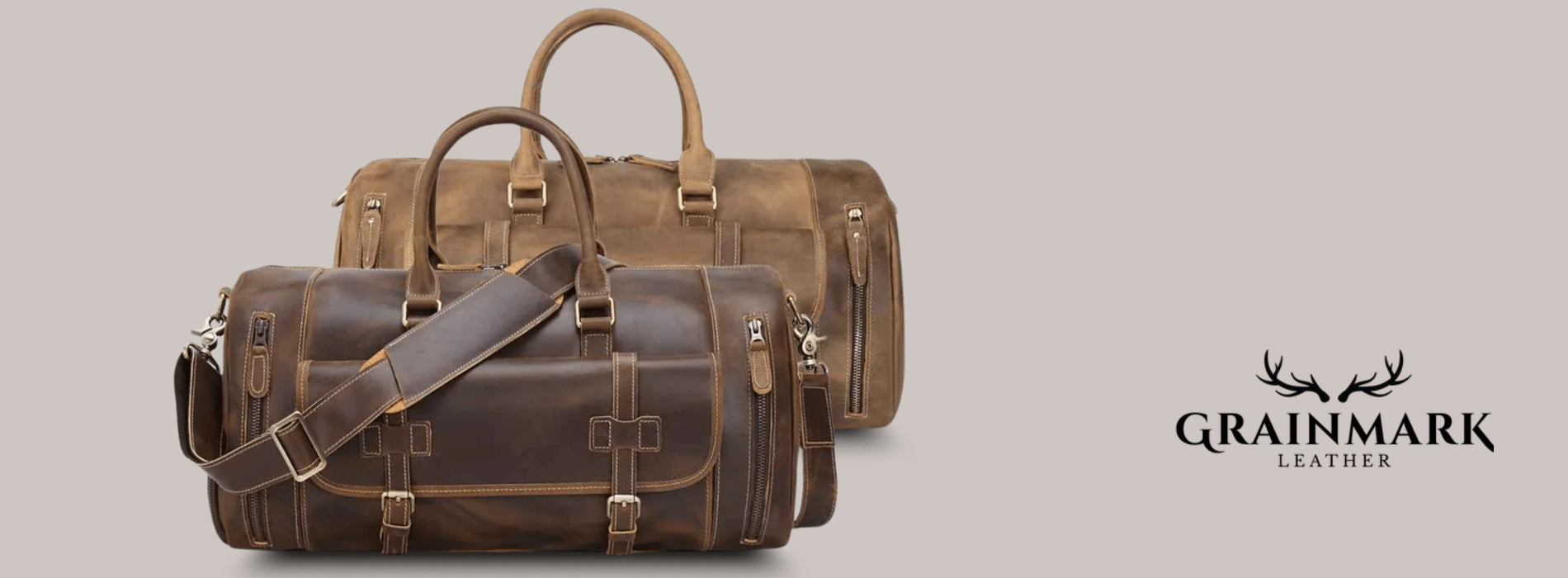
Every piece we make, whether it is a briefcase, backpack, wallet or cardholder, is built from real leather that holds up under daily use and improves over time.
Instead of breaking down after a short period, our materials develop character and remain functional for years.
This difference is not about appearance. It is about how the material behaves in real use. PU leather is made to imitate. Real leather is made to last.
Is It Real Leather? What Is PU Leather?

What is PU leather exactly? PU leather, short for polyurethane leather, is not genuine leather. It is an artificial composite created to mimic the look and feel of animal hide without using animal skin.
The resulting polymer forms a continuous film that bonds to the textile, creating a uniform sheet with an embossed grain pattern.
Whats PU leather made of at its base?
Its base layer is typically a woven or non-woven fabric such as polyester, cotton, or nylon.
This fabric is coated with polyurethane, a flexible plastic derived from a chemical reaction between a diisocyanate (commonly methylene diphenyl diisocyanate – MDI – or toluene diisocyanate – TDI) and a polyol.
Because the "leather" surface is essentially plastic bonded to fabric, PU leather lacks the collagen fibre network found in natural hide. Real leather breathes, absorbs moisture, and develops a patina, whereas PU leather retains a uniform texture and does not adapt to the user's body.
Terms like "synthetic leather," "man-made leather," or "leather-like" are sometimes used to market PU leather products. These labels can be confusing; always inspect product descriptions carefully to discern whether an item is genuine hide or polyurethane leather.
Do You Know What is PU Leather Made of?
The production of PU leather involves several chemical and mechanical steps:
So when u ask yourself again whats pu leather and what is pu leather made of, or what does PU leather mean - Remember that this process is efficient and scalable; a controlled factory environment allows manufacturers to produce large volumes with consistent quality.
However, it relies on petrochemicals and solvents that can release VOCs and other toxins into the air and water during production, raising environmental and health concerns.
Composition variations
PU leather comes in two main variants:
● Full synthetic PU leather: The polyurethane coating is applied to a textile base. These materials are entirely synthetic and 100 % animal‑free.
● Bicast or split leather with PU coating: A thin split leather substrate (a by‑product from hide processing) is coated with polyurethane. While it contains some real leather, the surface layer is plastic, and the product behaves more like synthetic leather.
Comparison of PU leather and Real Leather
| Attribute | PU Leather | Full-Grain Leather |
|---|---|---|
| Source | Synthetic polymers coated on textile or split leather | Animal hide from responsible farms, tanned using plant tannins |
| Average lifespan | 3–5 years (high-quality); 6–24 months for lower grade | 10–30+ years with proper care |
| Aging characteristics | Cracks, peels, fades; no patina | Develops patina, softens, improves over time |
| Environmental origin | Petrochemical; non-renewable; emits VOCs & microplastics | Renewable; biodegradable (vegetable-tanned); natural tannins |
| Chemical additives | DMF, MEK, isocyanates, plasticisers, pigments | Plant tannins, fats, oils; no heavy metals |
| Water resistance | Water-resistant, not waterproof | Breathable; can be treated for water resistance |
| Maintenance | Wipe only; cannot be repaired once damaged | Clean & condition; repairable and restorable |
| Repairability | Limited – irreversible damage | High – can be restitched and reconditioned |
| Disposal | Difficult to recycle; microplastics | Biodegradable (if untreated with metals) |
| Typical cost | Low upfront | Higher upfront, better long-term value |
| Sensory experience | Plastic feel, uniform texture | Natural smell, rich texture, breathable |
Why Full Grain Leather Outperforms PU Leather in Real Use
PU leather serves a purpose. It is inexpensive, easy to produce, and visually consistent. But it is not built for long-term use. It wears out, separates at stress points, and once the surface layer fails, there is no way to restore it.
At Grainmark Leather, we take a different approach. Every product we make, whether it is a Drymarch briefcase , a Trailblazer backpack or a Classic Vintage Bifold Wallet is built from full-grain leather because the material itself solves the problems that PU leather cannot.

Real Durability, Not Surface Appearance
People often ask does PU leather peel? PU leather depends on a plastic coating. When that layer breaks, the product fails, so yes, it does. Full-grain leather does not rely on coatings. It holds its structure naturally and improves with use.
A Slim Cardholder or Vintage Bifold Wallet from our collection does not peel after months. It softens, darkens, and develops a natural patina.
A Drymarch briefcase or Vantage briefcase does not weaken at folds. It becomes more flexible while keeping its strength. This is the difference between imitation and real material performance.

Built to Be Used, Not Replaced
Most PU products are replaced every one to two years. That is the expected cycle. We design against that.
Our pieces, like the 14-inch Laptop Sleeve or the Passport Wallet – The Voyager , are made to handle daily use without losing function. Stitching is reinforced. Stress points are supported.
Materials are selected for long-term wear, not short-term appearance. When something shows wear, it can be maintained instead of thrown away.

Clear Materials, No Shortcuts
We do not rely on terms like “leather-like” or “synthetic leather.” Our products are made from full-grain leather, and that is exactly what you receive.
From structured work bags like the Haven briefcase to compact everyday items like the Slim Cardholder , every piece follows the same principle: real material, honest construction, no artificial layers.

Lower Waste Over Time
PU leather is petroleum-based and non-biodegradable. Its short lifespan leads to repeated replacements, increasing total waste.
That reduces the need for constant replacement and lowers overall material consumption.
PU Leather vs Other Faux Leathers
The term faux leather encompasses a range of synthetic materials designed to imitate leather. Two of the most common are PU leather and PVC leather :
● PU (polyurethane) leather: More flexible and breathable than PVC. Modern PU manufacturing sometimes utilises water‑based processes that emit fewer hazardous chemicals. It is widely used in fashion, furniture, and automotive interiors.
● PVC (polyvinyl chloride) leather: Often called “vinyl,” this material coats fabric with a PVC film. PVC production uses chlorine and phthalate plasticisers, which can release toxic dioxins and endocrine‑disrupting compounds. PVC leather is stiff and better suited to protective gear or weather‑resistant products.
Other faux leathers include polyurethane blends (e.g., PU coated with acrylic), thermoplastic elastomer (TPE) leathers, and microfibre leather (a PU‑coated microfibre substrate).
In the plant‑based realm, innovators are developing materials from pineapple leaves , cactus pads , mushroom mycelium, and apple waste .
Many of these still use a PU or bio‑based coating to stabilise the fibres; thus, they are hybrids rather than fully compostable materials. Understanding these distinctions is crucial when comparing products labelled “vegan leather.”
Is PU Leather Toxic?

Volatile Organic Compounds (VOCs)
Solvent‑based PU production releases VOCs into the atmosphere. VOCs such as MEK and DMF are used to dissolve the polymer resin and allow it to spread smoothly over the fabric. During coating and curing, these solvents evaporate into the air.
Prolonged exposure to VOCs can cause headaches, dizziness, and irritation of the eyes and throat. Workers in PU leather factories are particularly at risk if ventilation is inadequate.
Heavy Metals and Toxic Additives
Polyurethane coatings may incorporate pigments and stabilisers containing heavy metals. Research has shown that artificial leathers can contain elevated levels of chromium and other metals.
So, is PU Leather toxic or not?
High chromium content (228 mg/kg) exceeded safety limits for children’s products in some artificial leathers, so, in some terms, it may be considered toxic.
Exposure to heavy metals can have severe health effects: arsenic is carcinogenic and damages the liver and hearing; cadmium exposure can lead to chronic bronchitis and kidney damage; chromium can cause eczema and allergies; copper may cause conjunctivitis and liver problems; and lead is linked to anaemia and neurological damage.
These metals can leach out during use or disposal, contaminating soil and water.
Emissions During Incineration
When PU leather is incinerated, it can release isocyanates , nitrogen oxides , carbon monoxide , hydrogen cyanide, and additional VOCs. Carbon monoxide and hydrogen cyanide are lethal gases; inhalation can cause serious health issues.
Because PU leather does not biodegrade, incineration or landfill disposal is common, and both methods introduce pollutants to the environment.
Off‑gassing and Indoor Air Quality
New PU leather products may off‑gas residual solvents and plasticisers. Although off‑gassing decreases over time, sensitive individuals may experience headaches or respiratory irritation. For safe indoor use, allow products to air out in a well‑ventilated space before prolonged contact.
Many shoppers ask: "What is PU leather, and what does it mean when it appears on a product tag"?
Simply put, it means the item is made from polyurethane leather a plastic-coated fabric, not animal hide.
Terms like "leatherette," "faux leather," "synthetic leather," and "man-made leather" are all used interchangeably to describe the same thing.
If a label avoids saying "genuine leather" or "full-grain leather," assume it is PU leather or a similar synthetic.
Distinguishing Between Real and PU Leather
Identifying whether a product is made from real leather or PU leather can be tricky. Consider the following checks:
Label and price
Genuine leather items are usually labelled as such and are more expensive. Beware of ambiguous terms like “man-made leather” or “leatherette.”
Texture and appearance
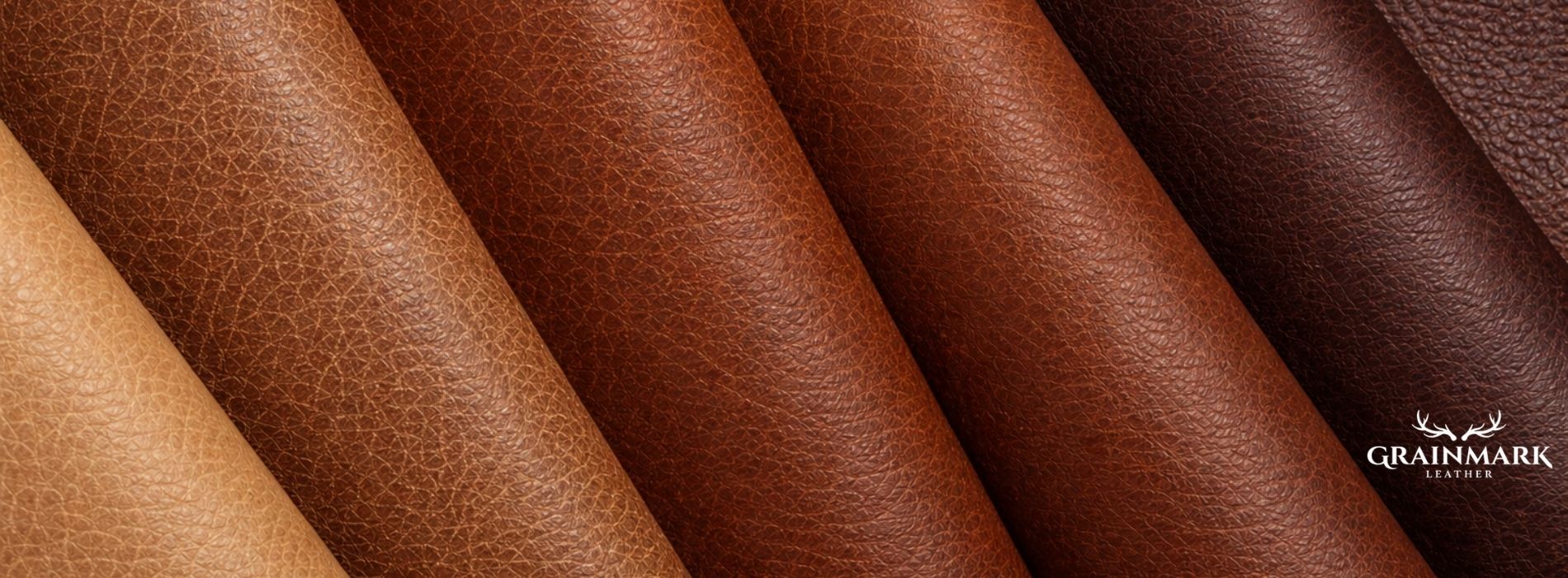
Real leather shows natural grain variations and imperfections. PU leather has a uniform pattern and a smoother, more plastic feel.
Smell
Genuine leather has a distinctive earthy aroma. PU leather often smells like chemicals or plastic.
Flexibility
Real leather is supple and recovers well when bent. PU leather may feel stiffer or rubberier.
Water test
A droplet of water absorbs into real leather within seconds, whereas it beads on PU leather.
Burn test (for experts only)
Burning a small edge of PU leather will produce a melted plastic residue and chemical odour, while real leather chars and smells like burning hair. Conduct this test carefully on scrap pieces only.
As artisans, we also encourage customers to trust their senses. When you pick up one of our Vintage Leather Bifold Wallets with RFID protection , you’ll notice the tactile grain and natural aroma distinct to vegetable‑tanned hide.

The finish is never overly glossy because we avoid plastic coatings. Conversely, PU wallets tend to look unnaturally uniform and feel like vinyl.
Historical Context
Polyurethane itself was first synthesised in 1937 by Professor Otto Bayer and colleagues at IG Farben in Germany. Early applications focused on foams, coatings, and adhesives rather than leather substitutes.
During the 1960s, researchers discovered that coating fabrics with polyurethane created a supple, leather‑like material. This innovation coincided with post‑war demand for affordable consumer goods and the rise of synthetic textiles.
PU leather quickly gained popularity in fashion and furniture because it offered a low‑cost alternative to animal hide.
Ancient Egyptians and Romans used tannins from tree bark, leaves and fruit to preserve hides. This artisanal process takes weeks or months and relies on natural extracts rather than synthetic chemicals.
Environmental Footprint of PU Leather

Carbon and Resource Use
Manufacturers sometimes promote PU leather as more sustainable than cowhide because raising livestock requires land, water, and feed.
In conventional leather production, cattle are raised for 18 months, slaughtered, and then the hides undergo tanning and finishing for six to eight weeks.
The leather industry slaughters around 430 million cows annually , consuming trillions of kilograms of feed and contributing to deforestation and water pollution.
Deforestation for cattle accounts for up to 80 % of Amazon deforestation , and the industry uses an estimated 400 billion litres of water per year. Tanning often uses chromium compounds and other hazardous chemicals.
Life cycle assessments suggest that the carbon footprint of PU leather is 15.8 kg CO₂e per square metre across its supply chain, whereas cowhide leather (excluding emissions from cattle farming) is about 17 kg CO₂e , and including animal production, it reaches 110 kg CO₂e .
Non‑renewable Petrochemical Origins
PU leather is derived from petroleum. Extracting and refining crude oil produces greenhouse gases and other pollutants. Additionally, the polyurethane polymer does not biodegrade.
Once discarded, PU leather can persist in the environment for centuries and fragment into microplastics that contaminate soil, rivers, and oceans. These microplastics accumulate in marine organisms, disrupt ecosystems, and have been detected in human organs.
Water and Air Pollution
During PU leather production, solvents and plasticisers may contaminate local water sources. VOCs contribute to smog and degrade air quality. When PU leather is incinerated or left in a landfill, additional toxins are released.
In contrast, full-grain leather , when produced responsibly, uses natural tannins from bark and leaves, which are biodegradable and non‑toxic. It requires more time but avoids many synthetic chemicals used in chrome tanning.
Durability and Longevity
Despite marketing claims, PU leather rarely matches the durability of genuine leather. Even the most robust PU leather typically lasts three to five years before cracking and peeling, whereas high‑quality full-grain leather can last for decades with proper care.
The synthetic coating on PU leather dries out over time, especially with exposure to sunlight, heat, or flexing.
When cracks develop, the plastic peels away, exposing the fabric backing. Because PU leather cannot be repaired or conditioned back to its original state, items must be replaced frequently, leading to more waste and greater resource consumption.
Water Resistance and Care
Is PU leather Waterproof?
PU leather is water‑resistant but not fully waterproof. The polyurethane coating repels water droplets; however, prolonged exposure to moisture can penetrate seams or cause the coating to swell and degrade.
For heavy rain or submersion, choose materials like neoprene or Gore‑Tex. PU leather bags or shoes should be dried quickly after getting wet.
Unlike genuine leather, PU leather cannot be repaired once the coating peels. Caring for PU leather can slow deterioration, but cannot match the longevity of full‑grain hide, and it is completely different from caring for real leather .
For reference, our 2-slot cigar tube is made from full genuine leather and lined with natural fibres.
It offers moderate water resistance thanks to its natural oils and protective wax finish; however, if you expect to commute in heavy rain, pairing it with a rain cover will prolong its life.

Recycling and Disposal
Can PU Leather Be Recycled?
In theory, PU leather is recyclable. The process involves separating the polyurethane layer from its backing and repurposing each component. The polymer can sometimes be shredded and reused in composite materials or fuel, while the fabric may be recycled into insulation or padding.
Separation is energy‑intensive and specialised equipment is required. In many regions, infrastructure for recycling PU leather is limited. Consequently, most PU leather ends up in landfills or incinerators.
Microplastics And Landfill Concerns
When disposed of in landfills, PU leather does not degrade but instead breaks into smaller plastic particles. Rain and run‑off carry microplastics into rivers and oceans.
These particles accumulate in food chains, causing ecological harm and potentially impacting human health.
Glossary of Key Terms
PU leather: A synthetic material consisting of polyurethane coated onto fabric; often marketed as “vegan leather.”
Polyurethane (PU): A polymer formed by reacting diisocyanates with polyols; used in foams, coatings, adhesives and synthetic leathers.
Diisocyanate: A monomer (such as MDI or TDI) that reacts with polyols to form polyurethane. MDI stands for methylene diphenyl diisocyanate; TDI stands for toluene diisocyanate.
Polyol: A compound containing multiple hydroxyl groups; reacts with diisocyanates to form polyurethane.
DMF (Dimethylformamide): A solvent used to dissolve polymers for coating; classified as a VOC.
MEK (Methyl Ethyl Ketone): Another solvent used in PU production; a VOC that evaporates easily.
PVC leather: A faux leather made by coating fabric with polyvinyl chloride. Uses chlorine and phthalates; less breathable and often more toxic than PU.
Bicast leather: Material made by applying a polyurethane coating to split leather; sometimes called “coated split leather.”
Bonded leather: Composite of shredded leather fibres and polyurethane adhesives formed into sheets. Often marketed as leather but contains only a small fraction of animal hide.
Full‑grain leather: The top layer of the hide with all its natural grain; strongest and most durable type of leather. When tanned using vegetable tannins, it is biodegradable and ages gracefully.
Plant‑Based and Sustainable Alternatives

The drive to reduce reliance on both animal leather and petroleum‑based synthetics has catalysed the development of plant‑based “leathers.” These materials use fibres extracted from agricultural by‑products or fast‑growing plants:
While these innovations reduce dependence on animal hides and petrochemicals, consumers should examine whether a product’s coating contains polyurethane. A hybrid plant‑PU material may still contribute to microplastic pollution at the end of its life.
FAQ
Is PU leather the same as vegan leather? ▾
Not always. PU leather is one type of vegan leather, but not every vegan leather is pure polyurethane. Some products marketed as vegan leather are made from plant fibers combined with synthetic coatings, while others are fully plastic-based. That is why “vegan leather” on its own does not tell you much about durability, composition, or environmental impact.
Does PU leather breathe like real leather? ▾
No. PU leather does not have the same breathable fiber structure as real leather because its surface is a plastic coating bonded to fabric. Real leather can absorb and release moisture to some extent, while PU leather tends to trap heat and keep a more uniform surface feel. That difference becomes noticeable in products that stay in close contact with the body or are used for long periods.
Why does PU leather peel instead of wearing in naturally? ▾
PU leather depends on a surface coating to create the leather-like finish. As that coating ages, flexes, dries out, or gets damaged by heat and friction, it starts to separate from the backing. Real leather wears differently because the material itself is the structure. PU leather fails at the surface layer, which is why peeling is such a common issue.
Is PU leather better than PVC leather? ▾
In many cases, yes, but that does not make it a long-term material. PU leather is generally more flexible and often less rigid than PVC leather, and some modern PU systems are made with lower-emission methods. PVC leather is usually stiffer and is associated with more concerning chemical inputs. Even so, PU leather is still a synthetic, plastic-based material with limits in durability and repairability.
Can PU leather be repaired once it cracks? ▾
Not in the same way as real leather. Small cosmetic damage can sometimes be masked temporarily, but once the polyurethane surface starts cracking or peeling, the material cannot truly be restored to its original condition. That is one of the biggest practical differences between PU leather and full-grain leather, which can often be conditioned, refinished, or repaired over time.
Does PU leather smell different from real leather? ▾
Yes. Real leather usually has a more natural, earthy smell, while PU leather often has a more chemical or plastic-like odor, especially when new. That smell can fade with time, but it is still one of the easiest ways to tell the difference when labels are unclear.
Can PU leather handle rain and spills? ▾
PU leather is usually water-resistant, but not fully waterproof. The plastic surface can repel light moisture for a while, but seams and edges are still vulnerable, and repeated wet exposure can weaken the material over time. This is why PU leather may survive minor spills, but it is not ideal for long-term exposure to rain, heat, or harsh outdoor conditions.
Why is PU leather cheaper than real leather? ▾
PU leather is factory-made from synthetic materials and can be produced quickly at scale with consistent surface appearance. Real leather takes longer to produce, comes from a natural hide with natural variation, and requires more material value and processing. The lower upfront price of PU leather is real, but so is the shorter lifespan that often comes with it.
Conclusion

PU leather is made to imitate the look of real leather, but it does not behave the same way in daily use. It is a plastic-based material that can look uniform and cost less upfront, yet it is more likely to crack, peel, and lose strength over time.
Once that surface layer fails, it cannot be restored in the same way as real leather. That is the practical difference that matters most.
At Grainmark Leather, we take the opposite approach. We work with full-grain leather because it keeps its structure, ages naturally, and remains useful for years instead of being replaced after a short cycle of wear.
Our products are built from real materials with honest construction, whether someone is choosing a wallet, briefcase, backpack, or cardholder. That gives the product a longer working life and gives the buyer something that can be maintained rather than discarded.
If you want a material that does more than imitate leather on the surface, explore our collection at Grainmark Leather and choose pieces made from full-grain leather that are built to last.