
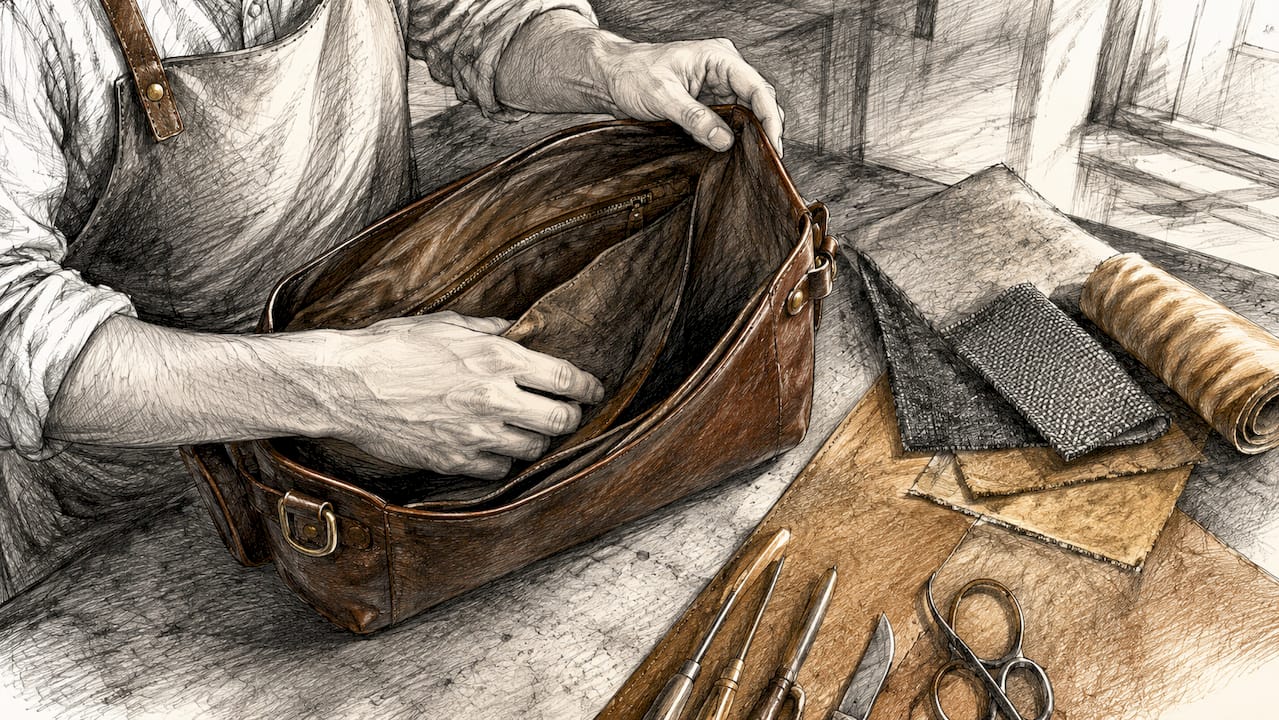
Suede Lining vs Fabric: Which Is Right for Your Bag?
Choose suede lining for premium protection, tactile luxury, and slip resistance in small, high-end bags and delicate-item cases. Choose fabric lining — nylon twill, cotton sateen, or polyester taffeta — for everyday durability, washability, and lower cost in totes, backpacks, and toiletry bags.
- Suede lining (genuine or microfiber suede): best for jewelry rolls, eyewear cases, cigar cases, and small leather goods where cushioning and perceived quality matter most
- Fabric lining (polyester taffeta, nylon twill, cotton sateen, silk/rayon): best for daily-use bags, garments, and travel items that need easy cleaning and structural lightness
- Microfiber suede sits between the two: it delivers the nap and feel of genuine suede with better stain resistance and easier care, making it the most practical upgrade for mid-range bags
Key Takeaways
Suede lining is the right choice for small, high-value leather goods where cushioning and tactile quality matter; fabric lining is the practical choice for daily-use bags, travel items, and any interior that needs to be cleaned regularly.
| Point | Details |
|---|---|
| Suede for small luxury goods | Genuine or microfiber suede protects delicate items and signals quality in jewelry cases, eyewear sleeves, and cigar cases. |
| Fabric for daily and travel use | Nylon twill and coated fabrics outperform suede in abrasion resistance and are far easier to clean in totes and toiletry bags. |
| Microfiber suede is the upgrade | Replacing polyester taffeta with microfiber suede reduces pilling and extends perceived lining lifespan by 2–3 years. |
| Cost follows material tier | Genuine suede costs most; microfiber suede is the best mid-range value; polyester taffeta suits budget items only. |
| Grainmarkleather lining approach | Grainmarkleather matches lining to use case across its full-grain leather goods, with custom lining options available for bespoke orders. |
Table of Contents
- How do suede and fabric linings compare at a glance?
- What exactly are suede and fabric linings?
- What are the pros and cons of suede linings?
- What are the pros and cons of fabric linings?
- How do you clean and maintain suede and fabric linings?
- How do linings hold up in real-world use?
- What do cost, availability, and sustainability look like?
- What do makers need to know about sewing suede and fabric linings?
- How do you choose the right lining for your project?
- Expert tips from leathercraft practice
- How does abrasion resistance differ between suede and fabric linings?
- What are the main fabric lining types and their trade-offs?
- How does the cost of suede lining compare to fabric linings?
- A note on lining choices from handcrafted-leather practice
- Grainmarkleather handcrafted pieces with considered linings
- Sources
How do suede and fabric linings compare at a glance?
Quick contrasts for shoppers and makers:
- Aesthetic: Suede has a matte, directional nap that reads as luxury; fabric linings range from flat and utilitarian (taffeta) to softly lustrous (sateen, silk)
- Slip resistance: Suede’s nap grips contents and prevents small items from sliding; most woven fabrics are slippery by comparison
- Protection: Suede’s cushioning and grip protect delicate items, but it is more vulnerable to stains and water damage than most fabric options
- Maintenance: Genuine suede requires dry brushing and professional spot cleaning; microfiber suede and most fabric linings tolerate damp wiping or machine washing
- Price: Genuine suede is the most expensive option; microfiber suede is moderate; polyester taffeta is the lowest-cost entry point
- Sewing difficulty: Suede requires nap alignment and pattern adjustment; woven fabrics are generally easier to handle and press
- Genuine vs microfiber suede: Genuine suede is split leather with a natural nap; microfiber suede is a nonwoven or woven polyester base with a polyurethane binder — it resists shrinking, raveling, and water spotting far better than its leather counterpart
| Dimension | Suede lining | Fabric lining |
|---|---|---|
| Look and feel | Matte nap, tactile luxury | Varies: flat to lustrous |
| Slip resistance | High | Low to moderate |
| Stain resistance | Low (genuine), moderate (micro) | Moderate to high |
| Maintenance | Dry brush, spot clean | Wipe or machine wash |
| Cost | Moderate to high | Low to moderate |
| Sewing ease | Requires nap handling | Generally straightforward |
What exactly are suede and fabric linings?
Genuine suede is the flesh side of a hide — most often lamb, calf, or pig — buffed to raise a soft, directional nap. Suede’s matte finish and directional texture differ fundamentally from woven pile fabrics like velvet, which are fiber-based and reflect light differently. That distinction matters for care: suede’s nap compresses and stains in ways that pile fabrics do not.
Microsuede (also called microfiber suede or faux suede) is a synthetic alternative built from ultra-fine polyester fibers bonded with a polyurethane binder. It mimics the look and hand of genuine suede while resisting shrinking and water spotting, and it is considerably easier to launder.
Common fabric lining types used in bags and garments:
- Polyester taffeta: Lightweight, inexpensive, widely available. The default lining in budget bags. Prone to pilling under friction and has a crinkly hand.
- Nylon twill: Stronger than taffeta, with a tighter weave and better abrasion resistance. Standard in mid-range and performance bags.
- Cotton sateen: A woven cotton with a subtle sheen. Breathable, natural, and mid-range in cost. Used in garments and quality totes.
- Silk or rayon: Smooth, lightweight, and visually luxurious. Common in tailored garments and high-end clutches. Requires careful handling.
- Coated fabrics (PU, PVC): Woven or nonwoven bases with a polymer coating for water resistance. Preferred in toiletry bags and performance gear.
Denier and weave directly affect performance: 210D plain weave is standard for entry and mid-range bags; 230D twill gives a silkier feel for mid-to-high applications; 420D is heavy-duty and suited to performance gear. PU coatings add a flexible, durable finish that many premium and waterproof lines rely on.
What are the pros and cons of suede linings?
Strengths:
- Tactile luxury that signals quality immediately when a bag is opened
- Cushioning and grip protect delicate items — glasses, pens, cigars — from scratching and sliding
- Slip resistance keeps small contents organized without dividers
- Perceived value is high, which supports premium pricing for finished goods
Weaknesses:
- Genuine suede stains easily and is sensitive to water; a single wet spill can leave a permanent mark
- Heavier than most fabric linings, which adds weight to small goods
- Dye transfer risk, particularly with darker genuine suede, onto light-colored contents
- Genuine suede costs significantly more per yard than polyester or nylon options
- Synthetic suede, while easier to care for, can trap heat and limit breathability
| Dimension | Genuine suede | Microfiber suede |
|---|---|---|
| Feel | Softest, most natural | Very soft, consistent |
| Stain resistance | Low | Moderate |
| Water resistance | Low | Moderate |
| Cost | High | Moderate |
| Care | Professional cleaning | Damp wipe, gentle wash |
| Colorfastness | Variable | Generally stable |
Best uses for suede lining: small luxury bags, jewelry cases, eyewear sleeves, cigar cases, and pen rolls where cushioning and presentation matter more than washability.
What are the pros and cons of fabric linings?
Fabric linings cover a wide range, and the trade-offs depend heavily on which fabric you choose.
Strengths:
- Low cost, particularly for polyester taffeta and basic nylon
- Wide range of colors, prints, and weights available from roll stock
- Easy cleaning: many fabric linings tolerate damp wiping; some survive machine washing
- Lighter weight than suede, which keeps finished bags manageable
- Breathable options (cotton sateen, open-weave nylon) reduce interior moisture buildup
Weaknesses:
- Cheap polyester taffeta pills quickly under friction from keys, coins, or makeup
- Less cushioning than suede, offering minimal protection for delicate contents
- Low-denier fabrics can slip at seams or fray without proper edge finishing
- Perceived luxury is lower than suede, which affects how a finished bag reads at retail
Recommended fabric types by use:
- Nylon twill: Daily totes, backpacks, and laptop bags where abrasion resistance matters
- Cotton sateen: Mid-range totes and garment linings where a natural feel is preferred
- Polyester taffeta: Budget items only, where cost is the primary constraint
- Coated nylon or PU-coated fabric: Toiletry bags and travel pouches that will encounter liquids
How do you clean and maintain suede and fabric linings?
Cleaning suede linings
- Allow the lining to dry completely before any cleaning attempt.
- Use a soft-bristle suede brush to lift the nap and remove loose debris; brush in one direction.
- For dry stains, use a suede eraser or clean pencil eraser with light pressure.
- For oily or wet stains, blot immediately with a dry cloth — do not rub. Allow to dry, then brush.
- For persistent stains on genuine suede, take the item to a professional leather cleaner. Avoid water-based spot cleaners on genuine suede.
- Microfiber suede can tolerate a lightly damp cloth for spot cleaning; allow to air dry away from direct heat.
Cleaning fabric linings
- Vacuum or shake out loose debris before applying any liquid.
- Spot-treat stains with a mild soap solution and a clean cloth; blot, do not scrub.
- For machine-washable linings (cotton sateen, some nylon), use a gentle cycle with cold water and allow to air dry.
- Coated linings should be wiped clean only; machine washing can degrade the PU coating.
- Preshrink fabric linings before assembly to prevent post-production distortion.
Pro Tip: For suede-lined bags, store the item with a dust bag or tissue paper inside to prevent nap compression during storage. For fabric-lined bags that encounter moisture, leave the bag open after use to allow the interior to air out fully before closing.
How do linings hold up in real-world use?
Replacing polyester taffeta with nylon twill or microfiber suede reduces interior pilling and can extend perceived lining lifespan by several years. That gap is most visible in bags that see daily friction from keys, coins, and makeup.
Typical failure modes by lining type:
- Polyester taffeta: Pilling within months of daily use; seam slippage if denier is too low; color fading under UV exposure
- Nylon twill: Holds up well under abrasion; main failure is coating peel on PU-coated versions after repeated washing
- Genuine suede: Nap compression in high-contact areas; staining from oils and moisture; dye transfer onto light-colored contents
- Microfiber suede: Near-zero pilling; occasional surface glazing in high-friction zones after extended use
A toiletry bag used daily benefits from a coated nylon lining that wipes clean in seconds. A designer clutch or cigar case, opened carefully and stored properly, can carry a genuine or microfiber suede lining for years without visible wear. The mismatch — suede in a daily-use tote, taffeta in a luxury clutch — is where most lining failures originate.
What do cost, availability, and sustainability look like?
Cost order (low to high): polyester taffeta, nylon twill, cotton sateen, microfiber suede, genuine suede. The gap between taffeta and genuine suede is substantial; microfiber suede sits closer to the middle of that range and is the most practical upgrade for mid-range products.
For makers sourcing in small quantities:
- Genuine suede is typically sold by the hide or half-hide, which creates minimum-order challenges for small-batch production
- Microfiber suede is available by the yard from roll stock, making it far more accessible for small-quantity sourcing
- Polyester and nylon fabrics are the easiest to source in any quantity from domestic fabric suppliers
Sustainability and ethical considerations:
- Genuine suede is an animal-derived material; sourcing from tanneries with Leather Working Group (LWG) certification reduces environmental impact
- Microfiber suede is petroleum-derived; look for suppliers who can confirm phthalate-free PU binders and recycled-fiber base fabrics
- PVC-coated linings carry higher environmental concerns than PU-coated alternatives; ask suppliers for material safety data sheets
- Some makers are sourcing plant-based or bio-based synthetic suedes, though availability and performance consistency vary
What do makers need to know about sewing suede and fabric linings?
Construction choices affect whether a lining performs or fails, regardless of material quality.
- Cut lining panels slightly smaller than shell panels when working with thicker suedes. This compensates for material thickness and prevents interior bunching or sagging — a standard workshop rule for bagmakers.
- Align nap direction consistently. On suede linings, all panels should have the nap running in the same direction; misaligned nap creates visible tonal variation under light.
- Preshrink fabric linings, zippers, and interfacing before assembly. Skipping this step is the most common cause of post-production distortion in fabric-lined bags.
- Choose interfacing by lining weight. Lightweight woven interfacing suits cotton sateen and silk; sew-in interfacing is preferable for suede to avoid adhesive bleed-through.
- Use a Microtex or leather needle for genuine suede linings; a standard sharp needle for microfiber suede and woven fabrics. Needle holes in genuine suede are permanent.
- Finish edges on woven fabric linings with a serger, French seam, or bias tape to prevent fraying inside the bag.
Sewing checklist:
- Preshrink all fabric linings and interfacing
- Test colorfastness on a scrap before cutting full panels
- Mark nap direction on suede panels before cutting
- Cut suede panels slightly smaller than shell panels
- Use appropriate needle and thread weight for the lining material
- Finish all raw edges on woven linings
Pro Tip: When attaching a suede lining in a small leather good like a wallet or pen case, use a thin layer of leather cement along the edges before stitching. This holds the lining in position during sewing and prevents the nap from catching on the presser foot.
How do you choose the right lining for your project?
Work through these questions before committing to a material:
- What will the bag carry? Delicate items (glasses, jewelry, cigars) benefit from suede’s cushioning. Everyday items (keys, phone, makeup) need an abrasion-resistant fabric.
- Will the interior get wet? If yes, choose a coated fabric lining. Suede and uncoated fabrics are poor choices for toiletry bags or rain-exposed items.
- What level of finish do you need? Suede signals luxury at opening. Fabric linings can look polished in sateen or silk but read as utilitarian in taffeta.
- What is the weight budget? Suede adds more weight than most fabric linings. For large bags, that difference is noticeable.
- What is the cleaning expectation? If the owner will want to wipe or wash the interior, choose a fabric lining or microfiber suede. Genuine suede requires professional care.
- What is the cost constraint? Genuine suede is the most expensive option per unit. Microfiber suede offers a strong middle ground.
Two quick scenarios:
- Travel toiletry bag: Choose a PU-coated nylon lining. Water resistance and wipe-clean maintenance are non-negotiable for this use.
- Jewelry roll or eyewear case: Choose microfiber suede or genuine suede. The cushioning and grip protect contents; the bag will be handled carefully and cleaned infrequently.
Before cutting full panels, test a small swatch: rub it against a light-colored cloth to check for dye transfer, press it against the intended contents to assess grip, and hold it under light to confirm the sheen matches the intended finish.
Expert tips from leathercraft practice
- Source microfiber suede by GSM and denier, not just by name. A 200–300 GSM microsuede with a 100D base fabric performs very differently from a 150 GSM version; request material specs from suppliers before ordering.
- Test colorfastness before cutting. Rub a damp white cloth against the suede sample for 30 seconds. Any color transfer disqualifies the material for use against light-colored contents.
- Pre-stretch microfiber suede by pulling it gently on the bias before cutting panels. This reduces post-assembly distortion, particularly in curved bag bottoms.
- Use a backing fabric on genuine suede linings in structured bags. A woven cotton backing stabilizes the suede and prevents stretching at stress points.
- For small leather goods, microfiber suede is generally preferable to genuine suede: better colorfastness, consistent thickness, and easier to source in small quantities.
- Ask suppliers for phthalate-free certification on any PU-bonded synthetic suede. This is standard in EU-compliant materials and increasingly expected in US retail.
- Match thread weight to lining weight. A 40-weight polyester thread suits most fabric linings; drop to 50-weight for lightweight silk or rayon to avoid puckering.
- Maintaining suede-lined items follows similar principles to caring for suede footwear: regular brushing, prompt blotting of moisture, and dry storage are the three habits that extend lifespan most.
Pro Tip: When cutting suede lining panels for a wallet or small case, use a rotary cutter and a metal ruler rather than scissors. The clean, single-pass cut prevents the nap from dragging and keeps edges precise for tight seam allowances.
How does abrasion resistance differ between suede and fabric linings?
Abrasion resistance is where fabric linings, particularly nylon twill, hold a clear advantage over genuine suede. Nylon’s fiber structure resists surface wear from repeated contact with hard objects — keys, coins, metal hardware — far better than suede’s raised nap, which compresses and glazes under sustained friction.
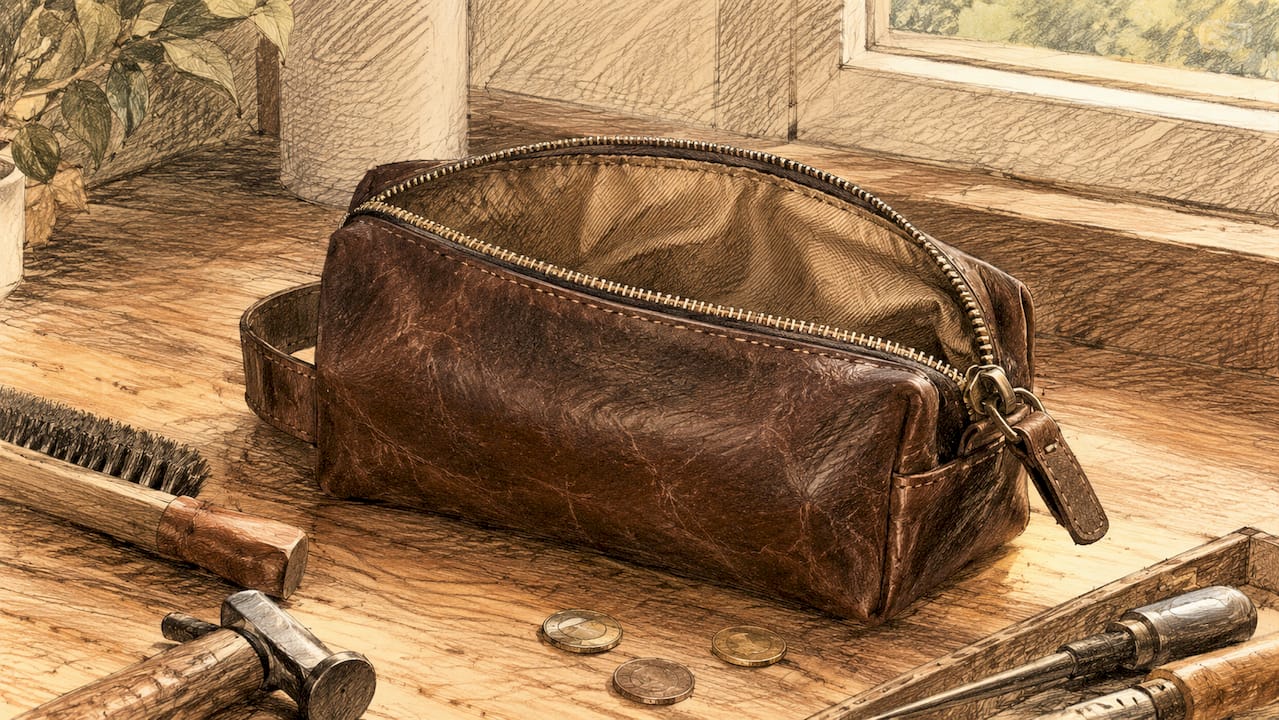
Microfiber suede performs better than genuine suede in abrasion tests because its nonwoven or tightly bonded fiber structure resists nap compression longer. Still, neither suede type matches 420D nylon twill for outright durability in high-friction applications. For bags that will see daily loading and unloading of hard items, nylon twill or a PU-coated fabric is the more durable choice. Suede linings are best reserved for items that are handled carefully and stored consistently.
What are the main fabric lining types and their trade-offs?
Polyester taffeta is the most common lining in mass-market bags. It is light, inexpensive, and available in hundreds of colors. The trade-off is durability: taffeta pills quickly under friction and has a crinkly, low-quality hand that undermines the feel of an otherwise well-made bag.
Silk and rayon sit at the opposite end of the spectrum. Both have a smooth, cool hand and a natural drape that reads as luxury in garments and high-end clutches. Rayon is more affordable than silk and easier to source, but both require careful handling: they fray readily, are sensitive to water spotting, and do not tolerate machine washing.
Cotton and canvas offer a natural, breathable alternative with good structural stability. Cotton sateen has a subtle sheen that works well in totes and mid-range bags; heavier canvas is used where structure matters more than softness. Both preshrink before assembly and are straightforward to sew.
The denier framework matters here: 210D plain weave suits entry and mid-range bags; 230D twill gives a silkier feel for mid-to-high applications; 420D is heavy-duty for performance gear. Choosing the wrong denier for the intended use is one of the most common sourcing errors in bag production.
How does the cost of suede lining compare to fabric linings?
The cost order is consistent across suppliers: polyester taffeta is the least expensive, followed by nylon twill and cotton sateen, then microfiber suede, with genuine suede at the top. The gap between taffeta and genuine suede is significant enough to affect retail pricing on finished goods.
For makers, the most practical cost decision is usually between microfiber suede and nylon twill. Microfiber suede costs more per yard but delivers a measurably better interior experience. Upgrading from polyester taffeta to nylon twill or microfiber suede is the highest-return change for bag interiors in mid-range products: the per-unit cost increase is modest, and the perceived quality gain is substantial.
For shoppers, a suede-lined bag will carry a higher price than a comparable taffeta-lined piece. Whether that premium is worth it depends on the use case. For a jewelry roll or eyewear case, the cushioning and grip justify the cost. For a daily tote or backpack, a quality nylon twill lining at a lower price point is the more practical choice.
A note on lining choices from handcrafted-leather practice
Working with full-grain leather shells, the lining choice is never an afterthought. A well-made exterior paired with a cheap taffeta interior is a mismatch that buyers notice immediately. For small goods — wallets, pen cases, cigar cases — microfiber suede is the lining that holds up best against the quality of the shell material and the one-year warranty standard Grainmarkleather builds to. For larger bags where weight and washability matter, a quality nylon twill or coated fabric is the more honest choice. The lining should match the use, not just the aesthetic.
Grainmarkleather handcrafted pieces with considered linings
Full-grain leather deserves a lining that matches its quality. Grainmarkleather’s small leather goods collection includes pieces where lining choice is built into the design: the Crazy Horse Leather Watch and Sunglasses Case uses a protective interior suited to delicate items, and the Leather Saddle Bag is lined for daily carry. For travel, the Leather Toiletry Bag — The Retro uses a wipe-clean interior suited to the use case. Custom lining requests are available for bespoke orders. Browse the full range and contact Grainmarkleather directly for custom specifications.
Sources
- Fabric selection and care — NMSU Cooperative Extension
- Bag Lining Selection Guide: A Complete Guide to 16 Lining Materials for B2B Buyers - Synberry
- Handbag Lining Materials: The Hidden Quality Guide for B2B Buyers - FYBagCustom
- Best Fabric For Bag Linings | Canvas ETC
- Bag Lining Materials Guide: 210D vs 230D vs 420D | OMASKA
- Suede Vs Velvet Difference: Which Fabric is Right for You? - SewingTrip